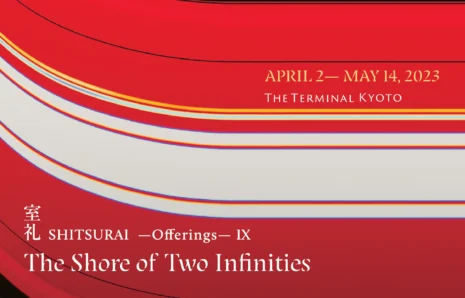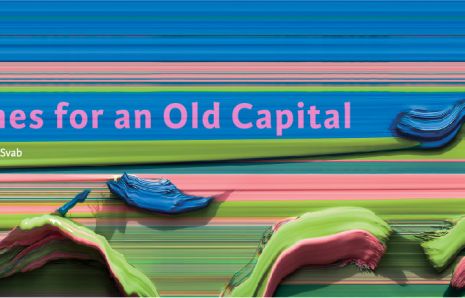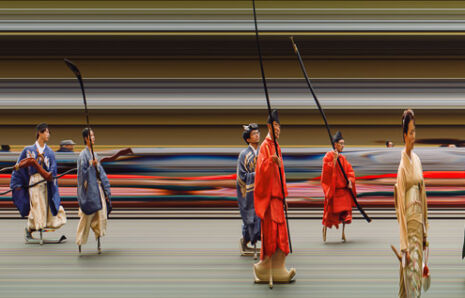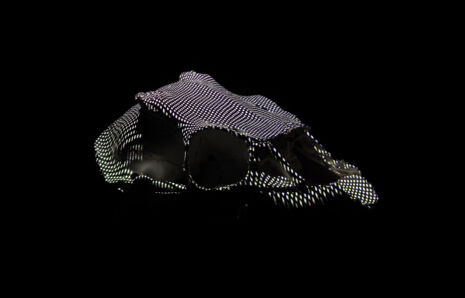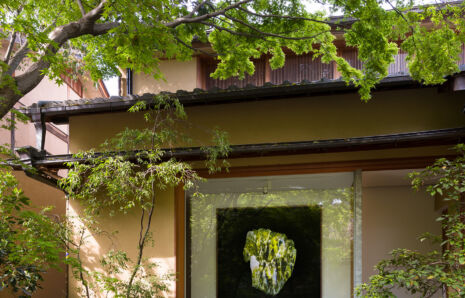


The new Kyoto Journal website it up now so they’ll be publishing regular digital issues from now on. A selection of my Chion-in series is on their first Tokonoma Archive.
「クリスマスフェスタ2012」
12月22日(土)に佐川美術館で開催される
“きっずみゅーじあむ「クリスマスフェスタ2012」” でワークショップをします。
美術館は終日、無料で開放。他の展示室も見ることができます。
ワークショップはトータル6種類!(そのうちの一つを担当)
お近くにお越しの際はぜひお立寄ください。
「立体写真・クリスマススペシャル」
2012年12月22日
開催時間:11:30-14:15
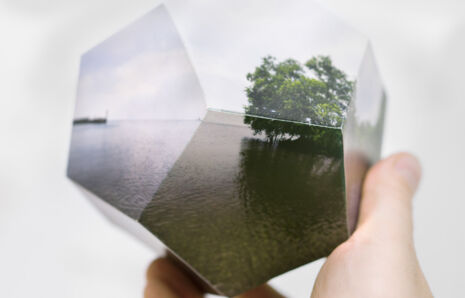
We are doing a workshop (Making 3D photographs) at the “Christmas Festival 2012″
at the Sagawa Museum in Shiga. The museum will be open to the public. It’s free admission all day.
Please come by if you are around!
Date: 2012.12.22
Workshop Time: 11:30am – 14:15pm
風と土の交藝 in 琵琶湖高島 2012
12月7・8・9日の間、滋賀県高島市にて「風と土の交藝 in 琵琶湖高島2012」に参加します。移住・市外・地元を合わせて45人の作家が高島市各所で出展予定です。
僕の会場は田園風景が広がる高島市黒谷という所にあります。
今回はこれまで撮りためてきた高島市の写真を中心に、新作によるインスタレーションを展示します。
ゆたかな自然と共に写真の空間をぜひ見に来て頂けたら嬉しいです。
「風と土の交藝 in 琵琶湖高島2012」
2012.12.7(金)・8(土)・9(日)
10:00 am ー 6:00 pm
会場住所:滋賀県高島市黒谷字中島567「進研アド」黒谷研修所
約40カ所を自由に巡れる「風のパスポート」は1000円
(3日間有効・中学生以下無料)
Adogawa – Kutsuki – Imazu – Kutsuki – Adogawa

Heading up to the Yokotani Tunnel.
There are a number of good climbs on the west side of Biwako and a lot of them are on roads that are barely travelled, although some of them have a lot of fallen rocks and cracks from rain damage. In a few places the roads are gravel but nothing a road bicycle can’t ride over.
Jennifer Wen Ma
Last year I was lucky to be able to meet Jennifer Wen Ma when she came to Kyoto before her exhibition at Art Space Niji. She was planning to come to install her show, however during her planning phase Japan was devastated by the Tōhoku earthquake and tsunami so she was unable to return to Kyoto.
Her installation went ahead, carefully planned and not only creating a continuation of Jennifer’s work with Chinese ink and live plants, there was a strong and deep reflection upon the disaster that struck Japan so suddenly.
Jennifer has exhibited all over the world and is planning to create a book of her work from the past ten years. She’s raising funds for her project using Kickstarter. You can see her project on their site.
神坂峠 (Misaka Touge)

Ken-san on the descent, Yanagisawa-san is in the distance. We were cold and wet but it wasn’t so bad, was it?
After spending a long time lamenting the weight and air resistance of my bike I accepted my fate and went on a two-week diet trying to get rid of every extra gram of fat on my body. Each 1000 g off a bike costs $1000; on the body, totally free, although I didn’t actually lose any weight, I lost fat. That’s what I tell myself.
On the race day, what started out as “cloudy and cool” turned into a little bit of rain in the morning and by start time it was raining hard.
We started off the bridge at 9:00. I was with Ken-san (see his blog) and Yanagisawa-san (aka METAL). Everyone was going faster than I wanted to up the first hill, the guys with the matching club jerseys disappeared on the second turn. I wanted to credit this to their Dura Ace wheel sets and carbon frames but really, no bike could help me keep pace with them. All I could hear was pedalling and breathing, mostly my own. Soon everyone around me started to slow down more manageable pace. I figured if I blow up 3/4 of the way up it’s ok, I do that sometimes, so I pushed ahead as fast as I could passing the group I was in. For a while I was all alone.
Around 6 km in I started to wonder if I could really make it to the top. Instead of water I took coffee in my bidon; bad idea. Each sip made me more and more nauseous but I was so thirsty. There was so much rain, there was water around me, then I saw a natural spring and for a minute I tried to come up with ways of drinking the rain. Streams of water were pouring down the edges of the road, sharp rocks and sand were spread over each hairpin turn and my legs were starting to get cold while my upper body was overheating. I rolled up my sleeves and unzipped my jersey and rode ahead. There was one rider popping in and out of my sight ahead of me; I decided to match his pace. I took another sip of coffee just to keep my throat from drying out. The rider ahead of me had no water bottle, he never stood up or changed position. It seemed hopeless.
By 8 km I started to feel better but I was just riding at my own pace, there was no way I could match the pace of anyone else, but I was hoping to catch up to the rider in front of me. When I looked behind me I was looking for Ken-san or Yanagisawa-san but I didn’t see anyone at all. Ahead I saw one more rider, now two men, so I decided to speed up. Maybe I had a chance. But they started moving faster, too. There in a hairpin turn, sitting in the muddy shoulder was a rider patching his tire, drenched in rain, tube hanging out of the rim like a ruptured intestine. I wanted to say something but then I thought it’s only more annoying since we all just gained a position from his bad luck, and obviously until he punctured he was much faster than the rest of us. About 10.5 km into the course we rode out of the forest into an open landscape, only clouds, sharp boulders jutting out of ultra-green foliage. The wind started to blow rain into my face. By this time it was raining really hard. My legs were starting to get cold and my back was getting stiff so I had to stand up periodically to stretch out. Looking down the mountain I could see a couple of riders a few hairpins below me. I wasn’t sure if they could catch me but I decided that in the last 500 m I’d go all out to the finish and get as close to the guys in front of me as possible. Just when I was contemplating doing it I saw what looked like the summit. My GPS was slightly off and I missed my chance to catch the two riders ahead of me, not that I could catch them, but just to try. My time was 0:58, 12th place. It was a really fun ride and after registering my number I went to the lodge where we ate noodles and drank coffee (none for me, thanks) and water – finally water!
The Aichi Cycling Club has a Tour de Aichi stage race each year. I’m only joining some of the stages, so far this is my second stage. The first was the race around Biwako (240 km) in May.
東日本大震災 思い出写真 復元プロジェクト
The Restoring Memories Project
あなたの大切な写真を修復します!!
by 23 Art Factory, ジョン・アイナーセン
この度の東日本大震災で被災された皆様に心よりお見舞い申し上げますとともに、犠牲になられた方々のご冥福をお祈り申し上げます。またそして一日も早い被災地の復興と安全をお祈りいたします。
23Art Factoryでは自分達に何かできることはないか、少しでも皆さんのお力になれたらと、『写真修復』のお手伝いをすることにしました。今回の震災でダメージを受けた、皆さんの大切にされていたアルバムの中の写真など、修復作業をします。修復後は、DVDを作成し、お預かりした写真などと一緒にご返却します。
今回の全ての修復サービス/DVD作成は郵送代を除き、無償で行います。
- PDF Form for Download: Photo Restoration
どのような修復作業をするの?:
お預かりした写真を一旦、写真撮影します。そして傷やシワ、泥、剥離された箇所などをコンピューターを使って補正し、出来る限り元通りの写真に近づけるようにします。そして修復完了後、データをDVDに保存し、お預かりした写真と共にお送りします。
*写真により、ダメージがひどい場合は洗浄をすることもあります。
*できるかぎりベストを尽くしますが、状況によっては修復が難しい場合もあります。予めご了承下さい。
*ご依頼の件数によって修復作業にお時間をいただくこともあるかと思います。ご理解のほどお願いします。
修復サービスの料金:
全ての修復作業、DVD作成は無償で行います。
こちらにお送り頂く時と返却時の郵送代をご負担願います。返却用に80円切手を同封して下さい。
お送り頂ける枚数:
一人でも多くの皆様にこのサービスを提供できるようにするために、今回はお一人の方に対し、修復する写真の合計は3枚までとします。(大きさはA4サイズまで。)もしも希望枚数が多い場合はご相談ください。
申込み&送付方法:
お名前、ご住所、連絡先、送付内容(写真に対するコメント)などの必要事項を記入して、写真ならびに80 円切手と共に郵送して下さい。
プライバシー保護:
われわれの最優先は皆さんのプライバシーです。大切な個人のお写真などをお預かりすることになるので、慎重にお取扱いします。外部へ渡ることは一切ありません。
写真展への計画:
2011年10月に 関西にて「平和」をテーマとした写真展の開催を計画しています。
震災後の一時的なニュースだけでは伝わらない、皆さんからの大切なメッセージを長く後世へも伝えていけたらという願いがあります。もし写真展が実現すれば、その機会に皆さんのお写真(家族、思い出写真など)をメッセージとともに共有することに興味のある方はお申し出下さい。
展覧会用にプリントした写真は展覧会が終了後、ご協力頂いた皆さまの元にお送りします。
【23Art Factoryとは】
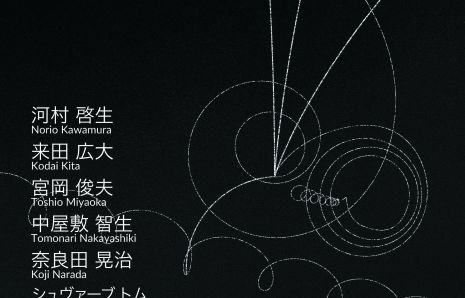
京都にある“シュヴァーブ・トム と さおり”による小さな写真スタジオです。トム(チェコ・カナダ) は写真作家であり、また美術カタログや作品集向けに展覧会風景や作品の写真撮影・画像処理などをしています。さおりはまたそのアシスタントをしています。
【ジョン・アイナーセン】
ジョンは過去23年間に渡って、主に日本やアジアの文化について京都を拠点に全世界に発信している非営利で全ての仕事がボランティアで行われる雑誌「Kyoto Journal」の創刊者でありアートディレクターをしています。
今回のプロジェクトではこれまでKyoto Journalに協力してきた人々にも声をかけ、修復作業をすることになっています。
Biwako Biennale 2010「玉手箱 Magical World」

Installation view in the old Kawara Tsune Factory – #13 on the map (Kawara Tsune or 瓦常工場) – 地図上⑬番
Omi-hachiman has an old canal system flowing towards Lake Biwa. It used to be one of the centres for producing roof tiles as well. Now there are lots of artisans making a living here. There are over 50 artists exhibiting in the Biwako Biennale. If you can make it Omi-hachiman in Shiga please come and see my new work.

開催期間:2010年9月18日(土)〜11月7日(日)
Date: September 18 – November 7, 2010.
写真展 アートスペース虹 2010年5月25日(月)ー 6月6日(日)
5月25日(火)よりアートスペース虹にて展覧会をします。
平面写真の中で見ているイリュージョン。
地図投影法を用い、平面から立体への写真表現をすることで、写真の中にある空間の姿に近づくことができたら。
ギャラリー空間の中で新たな風景を感じていただけたらと思います。
お時間ございましたら、ぜひご高覧ください。
シュヴァーブ トム展(Tomas SVAB Exhibition)
2010.5.25 (tue.)-6.6 (sun.)
11:00 am ー 7:00 pm(日曜 午後6時まで / Sunday till 6pm)
*月曜休廊 (Monday closed.)
“ART SPACE NIJI”
605-0041 京都市東山区三条通神宮道東入る3丁目東町247
地下鉄東西線けあげ駅2番出口左へ4分(ウェスティン都ホテル西隣)
4mins walk from Subway TOZAI Line – Keage Station. (West side of Westin Miyako Hotel.)
MAP
The Metamorphosis of Spaces: Takashima City
2008年6月4日ー6月30日
All the photographs in this series were taken in or just around Takashima City in Shiga Prefecture. What sparked my interest originally were two ideas. One, that this was the city where my in-laws live and I was just beginning to discover it as a Westerner, completely new to the life here in Japan. I thought that if I went out and photographed it I’d learn more. Two, the city was recently formed from five small towns and one village; perhaps signalling an end to the quiet life here.
<日本語訳>
このシリーズにある作品の全ては滋賀県高島市周辺で撮影されたものである。
そもそもこのシリーズを始めたきっかけには二つの考えがあった。ひとつには義理の家族が住む場所で、欧米人として全く新しい日本の生活を発見し始めていた時であり、写真に撮ることによって、自分自身色々なことを学ぶことができると思ったからである。二つめとしてこの市が近年6町村が合併したということ。おそらくここにある平穏な生活シーンに変化が見られるかもしれないと感じたことである。
But both of these reasons soon became complex and in the end impossible to define. I discovered something else about the landscape here. It’s fragmented; neither modern nor traditional. It is made recognizable by the markers that humans created more than natural features that now lay hidden underneath our own work. But once a marker is torn down and rebuilt in a different form the place that once existed disappears, being replaced as if through transformation by the new structure. Seeing an old photograph of a place before buildings were built or where smaller more humble buildings existed feels like trespassing past some threshold like an ultrasound into the womb of our world’s past. Using archeology and history we can become obsessed by the untangling the magic of these metamorphoses by pulling the threads of evidence hoping to unravel the whole fabric of the assemblage of our landscapes.
But there are places that are in between of the previous space and the next, teetering on the threshold; this boundary where one can stand for a moment. There I feel as if I’ve discovered a new reality where the loose threads of history haven’t been tucked neatly into modern concrete and glass boxes but neither have they been buried by the timelessness of bushes and branches. And across these thresholds travellers step but instead of traversing space they are moving through time carrying with them traditions but within modern surroundings.
<日本語訳>
しかし撮影を続けるうちにこれらの動機はやがて複雑なものになり、簡単に定義しにくいものとなった。
僕はここの風景に根づく新たなものを見つけた。それは現代的でも伝統的でもないかけらの集まりであり、自然物よりも人工的に造られた物によって認識されているということ。しかし一度この人工物が壊されるとかつて存在していたものは消え、まるで全く新しい構造で変換されたかのように新たな風景が形成されている。例えば、建物がたつ以前のその場所の古い写真を見ると、われわれ世界の過去の発生源を超音波で見るかのように、入ってはいけない境界線に侵入してしまった気持ちになる。
われわれは考古学や歴史学によって、融合した風景の織物から糸がほどけるかのような変換=(メタモルフォーゼ)のマジックを理解しようすることで頭がいっぱいになるが、僕はそれよりも風景を感覚的に受け捉えることの方に興味がある。
過去とその次にくる空間の間にも境界線上でゆらぐ場所がある。そこでは僕は緩んだ歴史の糸が木の茂みや枝で埋められていることもない現代のコンクリートとガラスの箱にきちんとしまい込まれないままの新たな現実を発見したように感じる。そしてこれらの境界線を渡って、われわれは現代環境の中で伝統のある空間に身をおいているのである。